
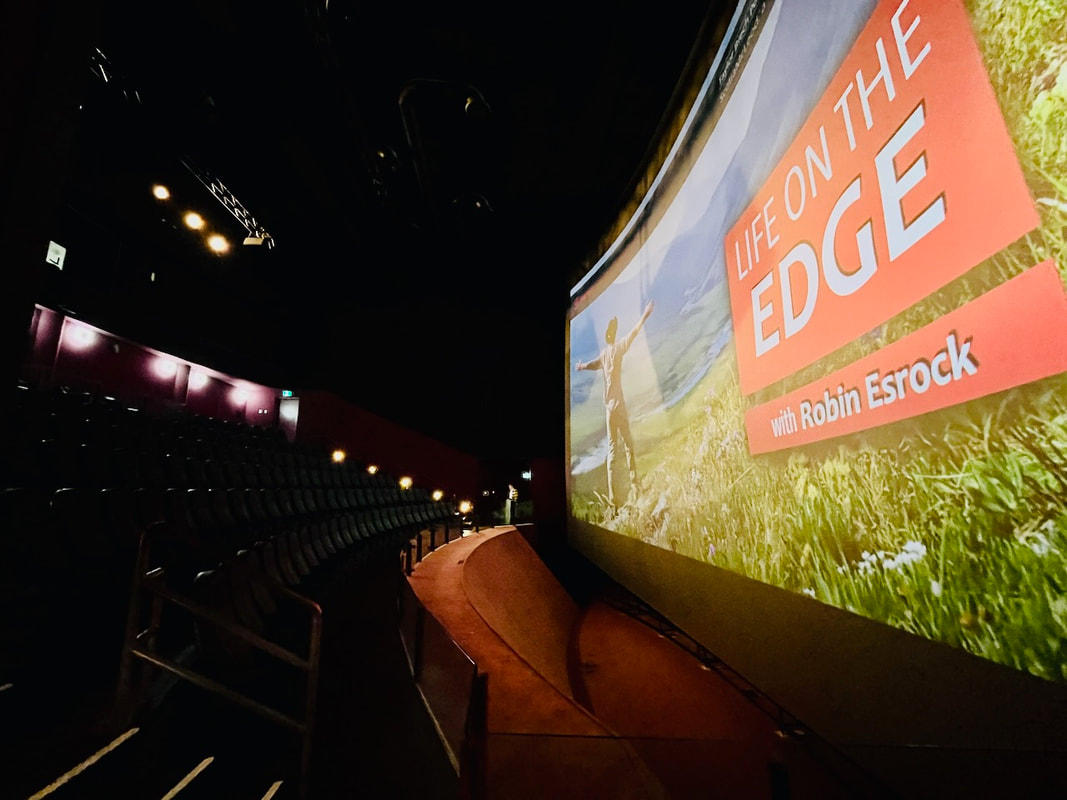
 The first time I saw Flyover Canada, it got me in the maple leaf feelies. This was back in 2013, and I had recently finished the first edition of The Great Canadian Bucket List. It felt especially poignant seeing Canada’s sprawling, diverse landscape on a 65-foot spherical screen, suspended on a moving chair that banked and dipped with the movement of flight. The visual and sensory sensation of soaring over familiar cities and oceans, icecaps and prairies brought a tear to my eye. For everyone else, it was impossible to leave the theatre without a sense of awe, wonder and pride, whether you had personally visited any of these places or not. Located at Canada Place in Vancouver, I added Flyover to the Western Canada Bucket List and future editions, and have since taken a half dozen visitors for the ride. It’s the perfect way to give anyone a powerful impression of Canada in a short space of time. This summer, Flyover launched a new show, entitled Awaken Canada. It’s been over a decade since the original spectacle, and with new developments in cameras and drones, Flyover now benefits from some neat cinematic tricks that allow it to showcase different scenes that complement the original show. As before, guests are first shown a short, immersive film before entering the main ride. This new introduction is animated, riffing on a central, inclusive theme of Home. What and where is home? Locals, immigrants, seniors, kids, northerners and southerners all weigh in. Home, they reveal, is a child’s hand in their grandmothers. Home is a dip in a warm summer lake. Home is the rain that falls in a city, or the big sky above golden wheat in the prairies. Guests are then efficiently ushered through a short waiting area, and to their seats on different levels. Rest assured, there are no bad seats with Flyover. Everyone gets the same experience, so take your time, put bags under your chair, strap in, and get ready for flight.   Awaken Canada starts up north, over the ice and snow. Immediately I recognize some of the landmarks, places I have visited, places I have not. Mount Thor in Nunavut was unmistakable, the largest granite rock in the world, gleaming in the sun. “That’s the Blue Nose,” I tell my delighted kids as we enter Nova Scotia, “I’ve been on that boat! And that’s Lunenburg!” There’s no voiceover in the film, just one sweeping image after another set to music, a 4D experience as we soar through clouds and get sprayed by wind and mist. “That waterfall is called Pissing Mare Falls, this is Gros Morne National Park,” I tell my daughter, who has a solid giggle. She's getting the full Canadian Bucket List narration. We collectively “whoa” when we fly over a northern community, and then suddenly dip into a small fishing hole to submerge into the cold ocean with a pod of beluga whales. After the show, we all agree this was the best part of the ride. Then we see fall foliage blooming in Ontario, and now we’re tracking a skier doing tricks across the urban playground of Old Quebec City. The camera swoops through tunnels and between sails, clearly benefitting from drones that can go where helicopters cannot. There’s more of a focus on people: fishing, walking, riding horses, farming, and most spectacularly, climbing mountains and frozen waterfalls. Unlike the similar-type rides at Disney theme parks (like Soaring Around the World, Soaring Over California etc) no CGI is necessary. The production and timing of the shots however, is mind-boggling.
Over the prairies, into the mighty Rockies, and across the sandy beaches of Vancouver Island, the flight concludes with a night-time time-lapse into Vancouver, concluding with the northern lights, of course. The ten-minute ride has taken in a lot, but a scenic journey over Canada can take a lifetime. Leaving the theatre makes you want to discover more: to visit these places and see what they look like from the ground. Having seen more of Canada than most, I can confirm it’s just as spectacular.
0 Comments
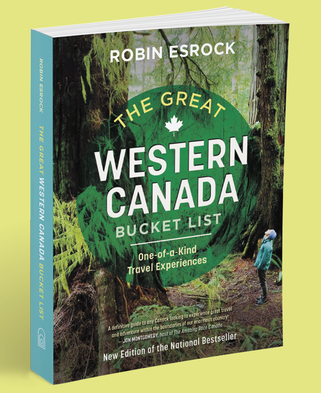
2024 has sunk it’s teeth into me, and it’s not letting go. I have already resigned myself to the fact that this year- my 50th on Planet Earth - all cards are on the cribbage table. It’s a year to tick off the exotic and the adventurous, from rafting Idaho’s Salmon River to river cruising the Danube and safari in Botswana’s Okavango Delta. It’s a year to tackle the bucket list with a re-energized gusto, because who knows what’s lurking around the corner? Judging by the constant barrage of horrendous news – war, political and social crisis, ecological havoc, artificial intelligence – it’s probably not very good. So best make hay while the sun beams its golden rays, and fortunately for us, its solar radiation particles too.  Taken with my iPhone, the northern lights over Vancouver Nearly a dozen trips up north failed to deliver the Northern Lights magic I’d heard so much about. When I did eventually see the lights, they were a wispy green glow on the horizon of a freezing November Whitehorse night. It was enough to convince me the aurora borealis is a real phenomenon and not a mass hallucination, but only barely. A few weeks ago, Earth got hit with a rare solar storm, promising exceptional northern lights as far south as California. Even then, you still need clear, dark skies. I was in bed when my parents, bless them, texted a photo of the night sky from Iona Beach in Richmond, about 15 minutes’ drive from home. It was enough to get me up, wake up a kid, and scream off into the night. We could see a green glow from beneath the street lights. By the time we got to Iona Beach, thousands of other people had the same idea. We exited the grid lock, parked the car and walked a few feet onto a beach. And there they were, the northern lights, shimmering in shades of green, blue and red. The truth is it all comes out way better through a camera lens, and many photos shared from that special night are jaw-dropping. Still, it’s the bucket list experience I’d chased in the far north for years, and here it was, just a random Friday night, minutes away from home.  It reminds me of my experience whale watching. Just about every time I’ve purposely set out on a whale watching tour has been underwhelming. Comedian Dimitri Martin described whale-watching, somewhat astutely, as fifteen people on a boat looking disappointed. Yet I’ve had magical moments with whales in Antarctica, Labrador and Tahiti, all the by-product of simply being on a boat at the right place and right time. Like life itself, you can’t guarantee anything even if you chase it, but the odds stack in your favour every time you simply show up.  They didn’t quite stack up for another recent Bucket List experience: cheering for your local team in Game 7 of a Stanley Cup series. My brother offered me a rare and highly sought-after ticket to the Canucks vs the Oilers at home. The atmosphere inside the arena was bonkers, a world away from regular season games I’ve attended in the past. The Canucks came up well short, leaving 20,000 fans disappointed. At least Canucks fans didn’t riot like they did the last time they hosted a Game 7 final.  Universal Studios, all to ourselves This year kicked off in Florida, where my kids and I explored Orlando beyond the theme parks, (well, almost). After a quick visit to New York, our ski trip this year was the underrated Silverstar Mountain Resort, where we had a blast. My daughter and I hit the Belize Barrier Reef, from above and below. Watching a 10-year-old overcome the challenges of getting a full Junior Open Water Certification was a very proud moment for Papa. Then came my first visit to Mexico in over a decade, visiting the booming tourist town of Puerto Vallarta, where I explored the idea of adventures versus vacations. They shut down Universal Studios for a private party at IPW in Los Angeles, a tourism conference to promote travel in the United States. Having Adventure Await’s Jami Savage guide me to the best rides at Universal was a treat unto itself, even with the motion sickness from the wild Harry Potter ride. This month also sees the release of my 10th published book: an expanded, updated and beautifully redesigned second edition of The Great Western Canada Bucket List. I can't tell you how much work goes into these things, but it's a lot and the team at Dundurn Press are fantastic. Despite everything going digital, what a treasure to hold in print (especially if a massive solar storm hits Earth one day and wipes out our electrical grid, just saying...) Yes, it’s been a very busy few months on the Bucket List, and the best is yet to come. I’m inspired by these opportunities, regret more people don’t have them, and am grateful, as always, to share my experiences through my stories and images. 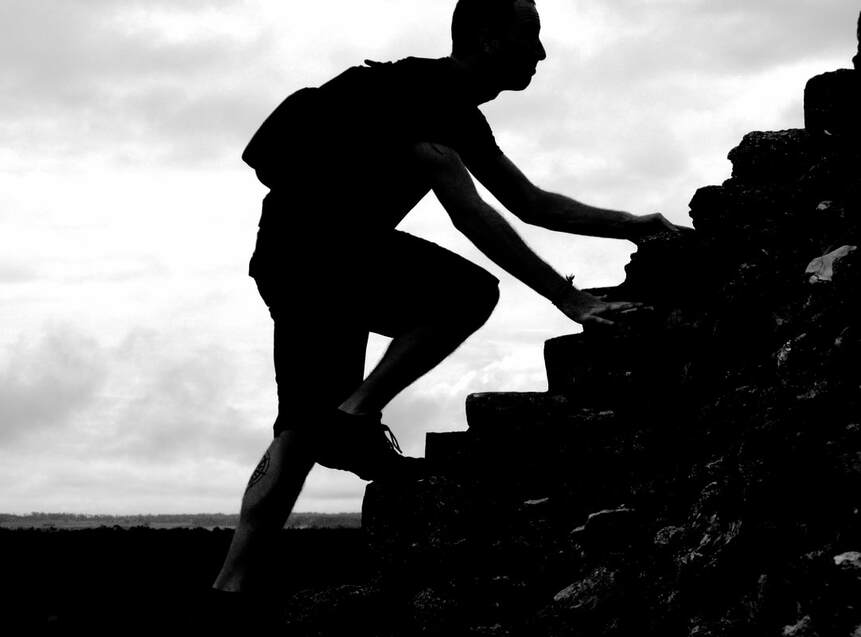 It’s been a hot minute since my last trip to Belize, filming an episode of my TV series Word Travels. Back then, we hit the jungle, some Mayan ruins, the wetlands, and a Mennonite community for good measure (you can stream that Belize episode free on Tubi). Now I finally have the opportunity to see the beaches and coral reefs that I missed on the first trip, which concludes with the line: “If you do everything the first time, there’s less reason to return.” 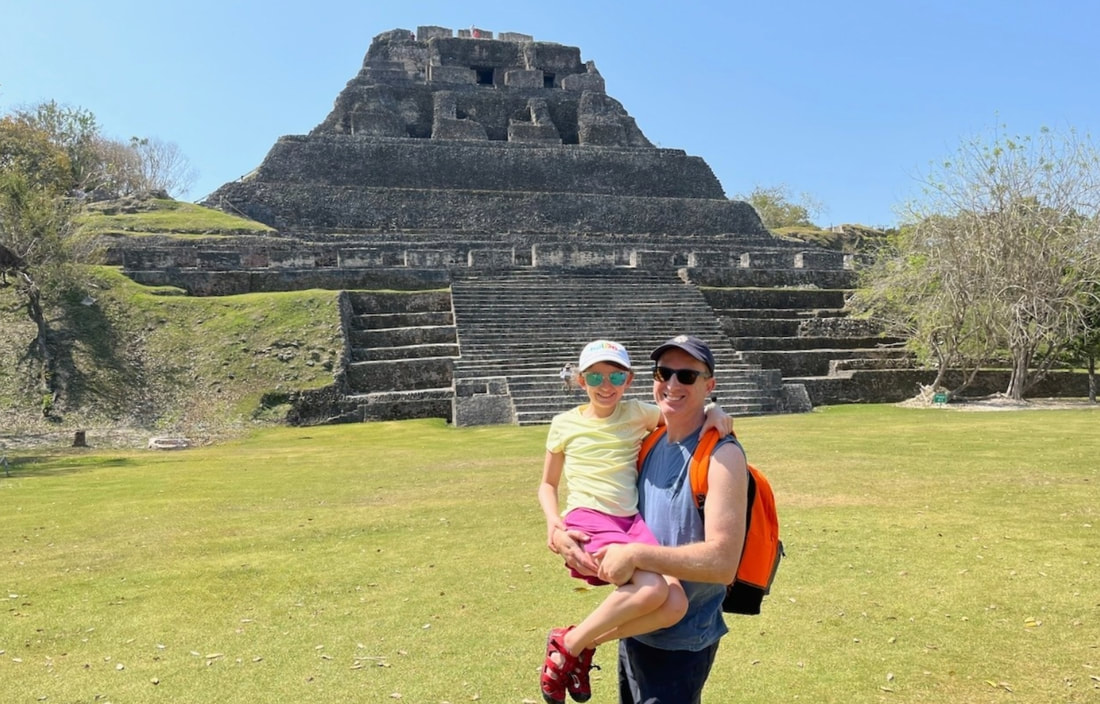 Exploring the Xunantunich (sounds like tuna sandwich) Mayan complex. Swapping out a TV crew for my go-go-go daughter - a razor sharped chip off the old block - we’re following up our jungle adventure to Costa Rica with another foray into Central America. Much like Costa Rica, Belize is smashing things on the eco-tourism front, but Costa Rica doesn’t have Mayan ruins or an English-speaking population, somehow sheltered from the general mayhem found in its neighbours Guatemala and Honduras. Focusing on the beach and the world’s second largest barrier reef, my daughter showed impressive vim taking on the PADI Junior Open Water Certification, working hard on her e-learning, confined pools dives in Vancouver, and the four challenging ocean dives on the reef. You can read more about that journey in my Canadian Geographic column. What I didn’t mention was that singular moment – the bucket list moment – where all the travel and work and adventure coalesced. We were diving together through a canyon reef, which admittedly wasn’t the most spectacular dive in terms of marine life, but allowed us to explore a unique eco-system, and the weird sensation of scuba diving, together. Just another unforgettable moment in a lifetime of many. Wish there was a TV crew to capture it! Last night I discovered the word: Zugzwang. What the hell kind of a word is Zugzwang? A real English word, co-opted from German as it turns out. Definition: a situation in which the obligation to make a move in one's turn is a serious, often decisive, disadvantage. One day, I’m going to use that word in conversation, and I can’t wait. 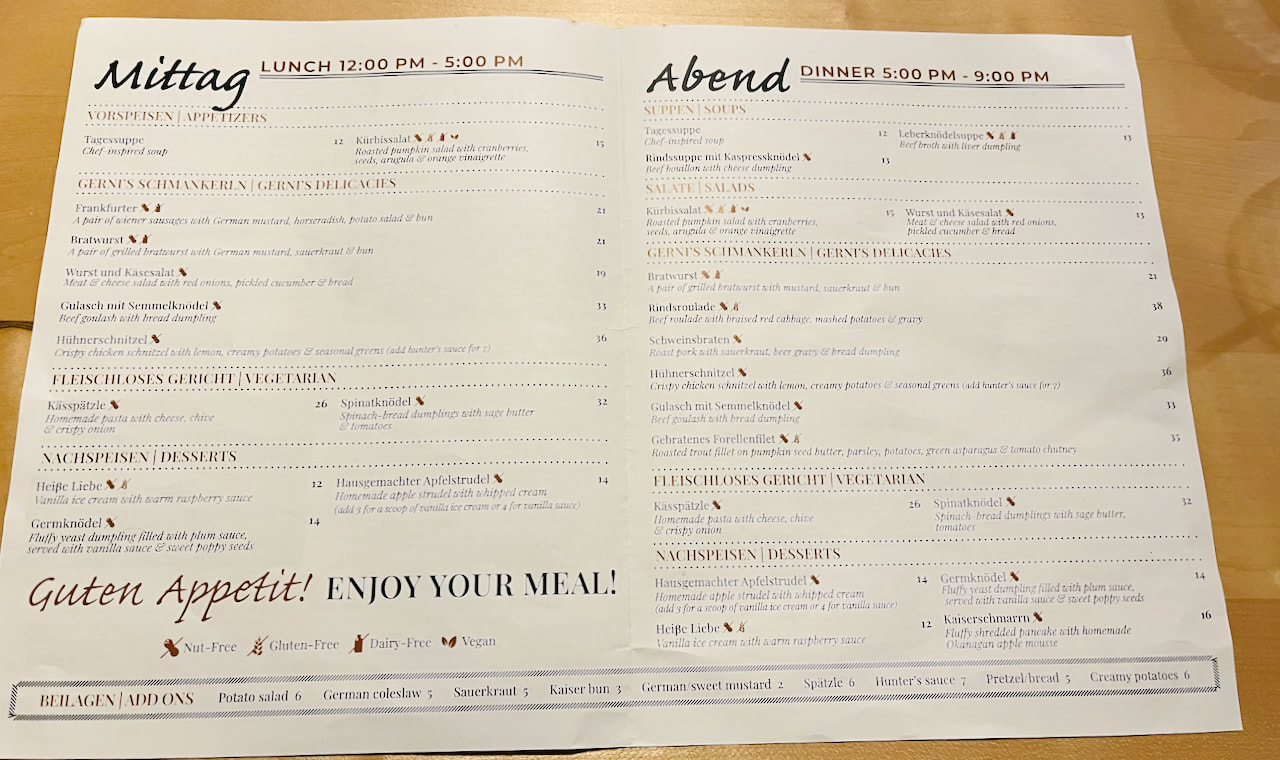 The menu at Gerni's Farmhouse. There must be a lot of Austrians Googling: “Where to find a great schnitzel in Canada?” because my column about skiing in the fantastic Silverstar Ski Resort, and taking my Austrian brother-in-law to Gerni's Farmhouse outside of Vernon, totally blew up. Gerni refers to the late Gernot Langes-Swarovski, founder of the Swarovski crystal empire, which owns the glitzy spa resort Sparkling Hill in the BC interior. Gerni liked his authentic Austrian food served in an authentic Austrian environment, so had a 16th century Austrian farmhouse dismantled and shipped over to his resort British Columbia. The menu and setting would make any Austrian traveller tear up with joy. Once they’ve settled down, they can explain to me what’s in a Almdudler. It’s a popular Austrian non-alcoholic soda, of a sort, that tasted like the innocence of childhood for no reason I can possibly explain. 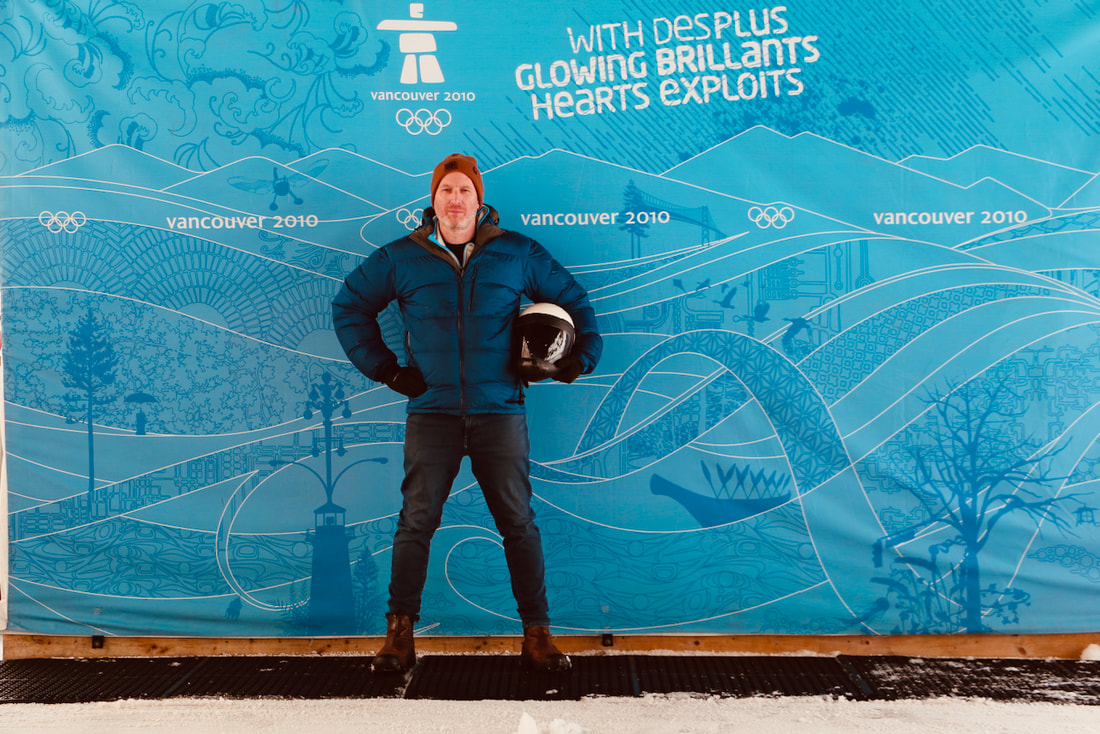 I also took the opportunity to do my best sack of potato impression while flying down an ice chute at 94 km/hr. A lot of people asked me why I felt compelled to do the public skeleton at the Whistler Bobsleigh Centre, and the answer is: because tourists actually do this, and it is undoubtably something unique, memorable, attainable and hilarious. Therefore: something to add to the bucket list. Jon Montgomery, who won skeleton gold in the skeleton at the 2010 Olympics, was a great sport for his quotes in my column, which pretty much captures the all-round absurdity of flying down a “frozen toilet chute.” Unseasonably warm weather totally zugzwanged me when it came to a long-planned multi-day snowmobile trip in Algonquin Provincial Park. We were watching snow reports during the worst winter season on record, and the trip was ultimately pulled just days before I was set to fly out to Ontario. A bummer in every way, because snowmobiling without snow is no fun at all. Climate change is going to wreak havoc on more and more travel plans, so purchasing a little travel insurance to fully recoup any upcoming flights in the case of unexpected chaos is no longer just another airline cash-grab, it’s a necessity. 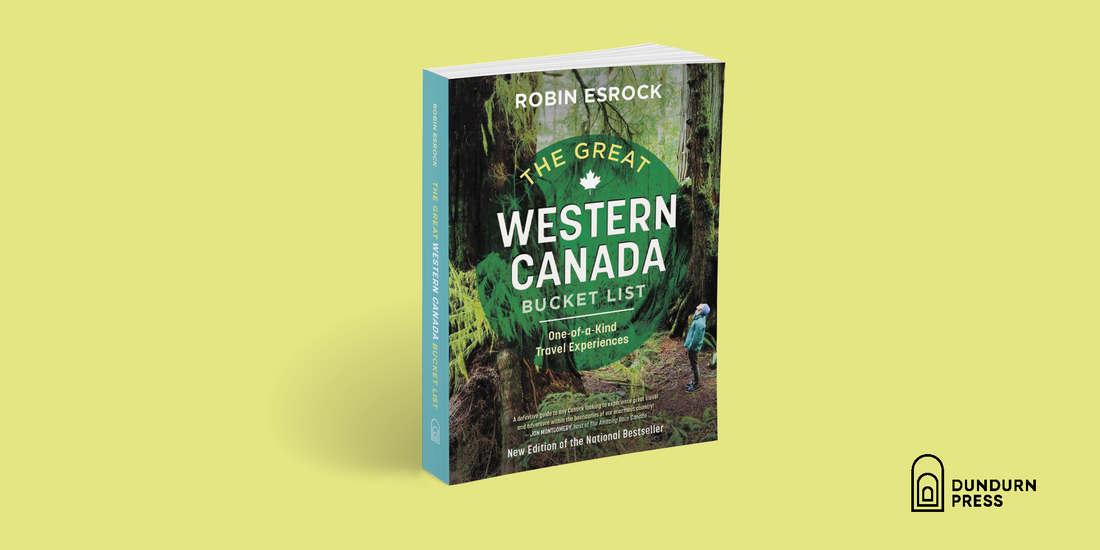 Finally, the second edition of The Great Western Canada Bucket List arrived at my doorstep and it looks fantastic. Packed with inspiration, it’s slim enough to gift to those travelling with carry-ons, and my wish is for it to land on the radar of anyone greeting newcomers to BC and Alberta. As you can tell on the companion site, there’s so much to explore and discover across a landscape that is both unique and diverse. The book will officially launch nationwide in May 14, look for it wherever you find your reading material.
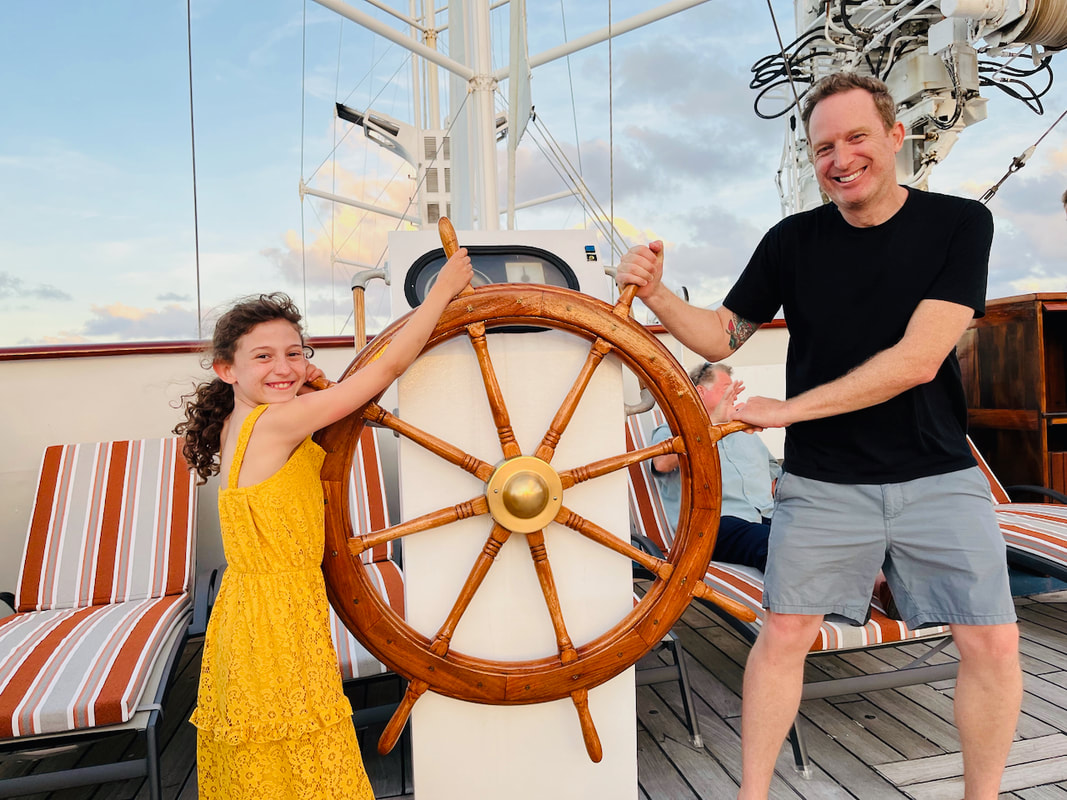
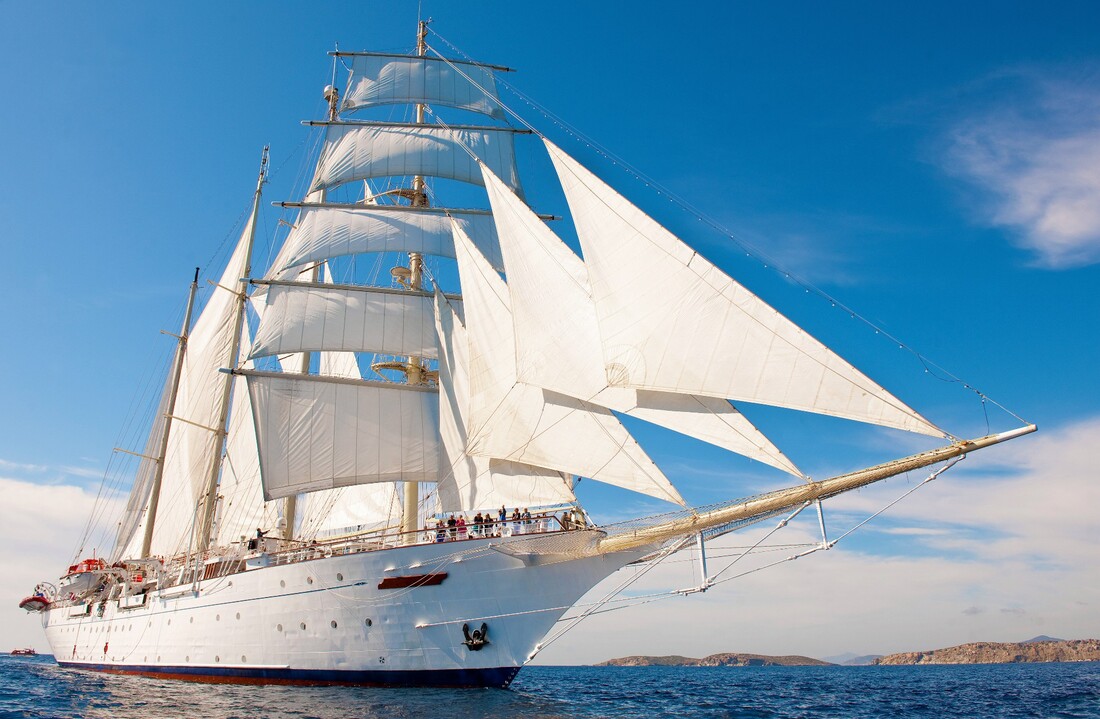 Affluent residents of St Barts are accustomed to welcoming mega yachts of the rich and famous. Unless you happen to know a billionaire, it’s highly unlikely you’d ever get close to one of these vessels, much less find yourself on the most beautiful boat in the bay. It’s a topic that comes up repeatedly among the passengers of the SPV Star Flyer, a striking, 16-sail clipper with four towering masts, polished teak trims, and enormous white sails. Turning heads from the Mediterranean to the Caribbean, it looks like a pirate ship sailed through an eighteenth-century wormhole. Sailing with the breeze in high comfort is on many a bucket list, especially romantics with a pinch of salt in their veins. When I first boarded the Star Flyer late afternoon in St Maarten, it took my breath away. One of three tall ships owned and operated by Sweden’s Star Clippers, my week-long itinerary in the Lesser Antilles promised an adventure both familiar and exotic. Well-appointed rooms, friendly international staff, and a fine buffet are common on most cruise ships. Sallying forth under sail, chasing pirate lore, and dropping anchor at small island communities is not. Born and raised in a landlocked city, salt runs in my blood like integrity in politics. I can’t tell a jib from a top sail, a schooner from a sloop, or the spanker from the anchor. Regardless of one’s prior knowledge and appreciation for sailing, everyone goose-bumped when the crew hoisted the sails at sunset. With speakers booming an epic soundtrack of Vangelis’s Conquest of Paradise, the wind thrust us forward in search of rich Caribbean bounty. 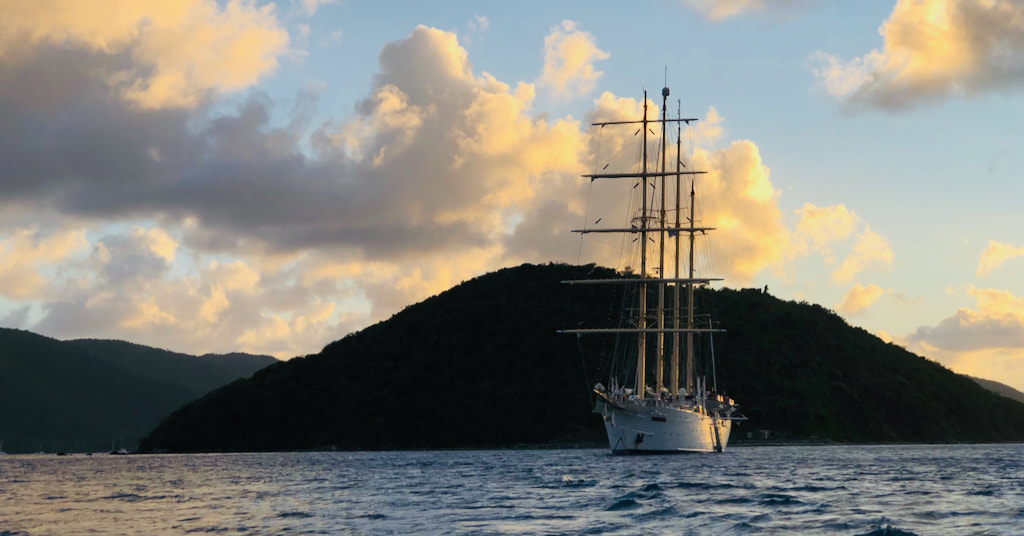 The 166-passenger Star Flyer is 115m-long with a 15-metre-wide beam, and it’s not even the biggest ship in the Star Clipper fleet (the 227-passenger, 42-sail Royal Clipper holds the Guinness World Record as the largest square rigger in service). Both ships rely on the breeze to do the heavy lifting, with low-emission gas used for internal power, port docking, and maneuvering through idle doldrums. Fortunately, the wind in the Caribbean from December to April is so reliable you can bank on it, hence, the trade winds. It’s the perfect time to make up the leeway, learn your sailing lingo, and discoverwild legends among the beaches and coconut trees. 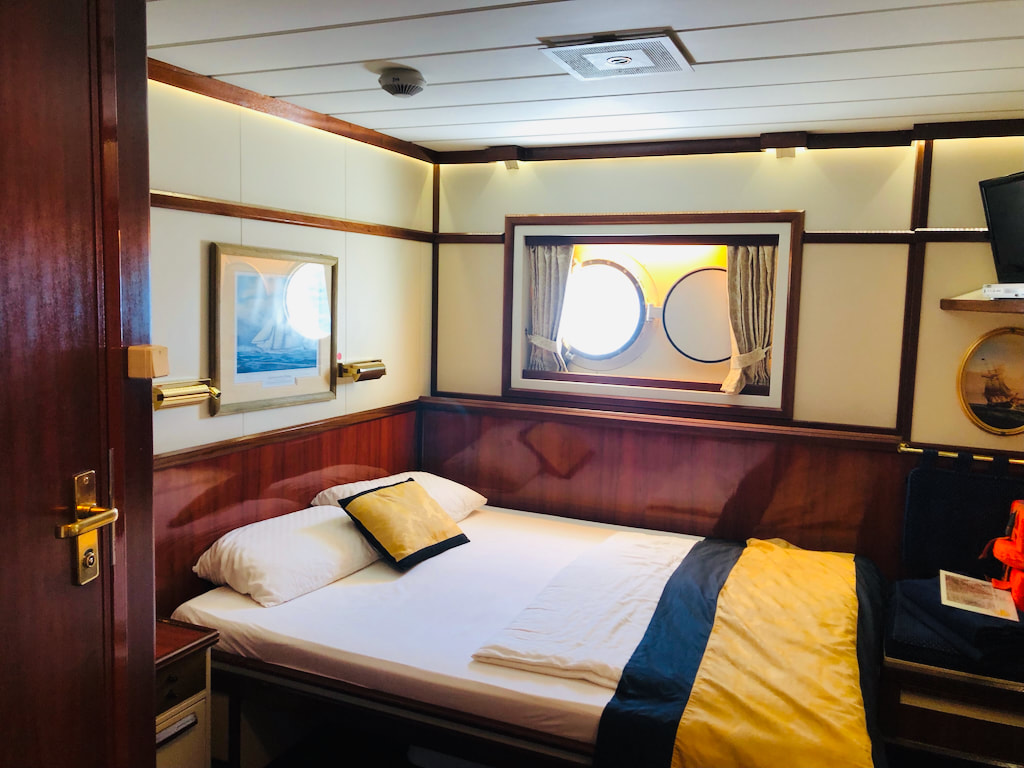 My comfortable berth inside the Star Flyer. Calling into Anguilla, St Kitts, Virgin Gorda, Jost Van Dyke, and St Barts, I’m sailing into a domain of buried treasure, mythical pirates, and sloop battles. Borrowing books from the ship’s library, I dove into the Golden Age of Piracy, when motley crews of men – and occasionally women – plundered trade and war ships, all the while swearing impressive oaths of loyalty, democracy, and non-discrimination. Welcoming all who could be useful and evenly distributing the spoils, the intrigue of pirates has long hijacked our popular imagination. The Black Flag inspired countless legends in the Caribbean, including that of a buried treasure hidden deep inside the coastal caves of the uninhabited Norman Island. Here, the Star Flyer dropped anchor so passengers could snorkel into the same caves that inspired Robert Louis Stevenson’s Treasure Island. The more I read about Henry Morgan and Calico Jack, Anne Bonny and the infamous Blackbeard, the more I got swept up in the region’s history, and the thrill of sailing under wind. Operating a tall ship is both an art and a skill. Experienced passengers on board constantly debated our Polish captain’s decisions, analyzing the different sails in use, and the impact of the prevailing winds. With 3344 square metres of sail, utilizing all four masts could easily blow us halfway around the world. The captain tells me that he often sails up and down during the night, providing invaluable experience for his navigation and ship crew, and using just fifteen percent of the fuel typically needed for a ship of this size. Cruising anywhere in modern luxury is a decadent affair, but with its comparatively low carbon footprint, large passenger sailboats like the Star Flyer suggest a more viable and sustainable cruising alternative. When we dock in St Kitts, I see a line-up of massive cruise ships parked outside a duty-free shopping mall. It’s the only time our vastly different cruise experiences meet, and it feels like we’re visiting from a different planet. 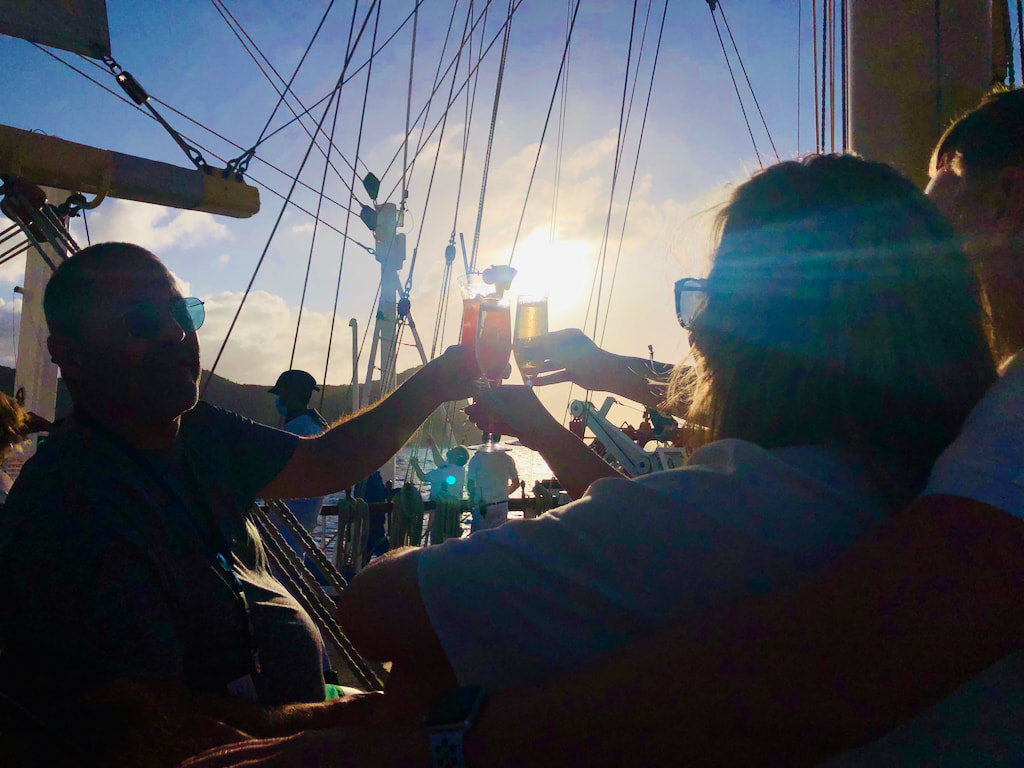 Cocktails at another sunset sail-away. Cue the Vangelis. Occasionally, the wind howls over twenty-five knots, creating large swells that rock and roll the ship, stabilizers be damned. Sometimes, I reach for the Gravol, or need to retreat to my comfortable cabin on the Commodore Deck, watching sea water rinse my cabin window. More often the sea is as calm as a mirror, but sailing will always be an adventure, especially for landlubbers lacking sea legs. Seventy-three international staff and crew operate efficiently under any conditions, spotlessly cleaning our rooms, preparing fantastic meals, cocktails, and typical evening entertainment. There’s pirate parties and trivia nights, disco dancing and interpretive talks. Daily activities include swimming and snorkelling, various watersports, an onboard spa, and opportunities to explore the history and culture of different islands. Tenders deposit us on quiet beaches that are home to some of the Caribbean’s legendary sailing bars, like Soper’s Hole on Tortola, and the Soggy Dollar on Jost Van Dyke. My personal highlight is a visit to The Baths on Virgin Gorda, a series of rock pools, beaches and cave swims in the turquoise water of your dreams. Being on a smaller vessel with a minimal footprint means we can visit and interact with beaches and communities beyond the reach of giant cruise ships. My dining mates, a couple from Toronto, are cruise veterans with dozens of voyages under their belt. Both agree the tall ship had exceeded their expectations, with just the right combination of adventure and comfort. 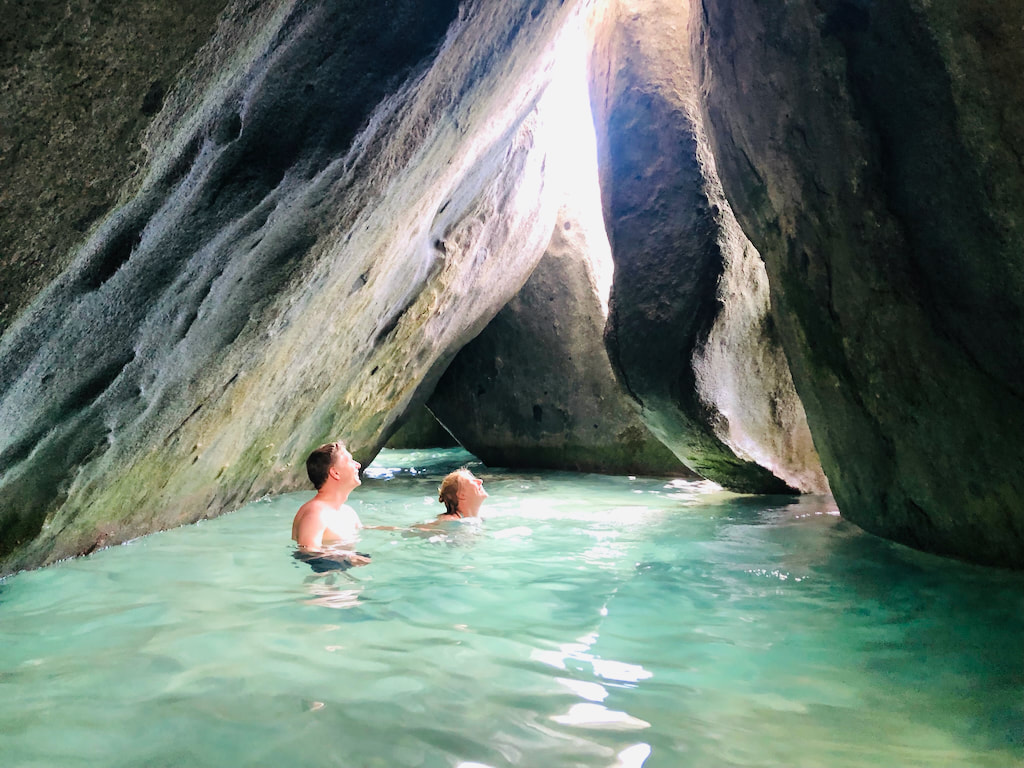 The Baths on Virgin Gorda Embracing the warm sea breeze, I stretch my arms towards a pod of dolphins cresting a few metres beneath me. I’m lying on the netted bowsprit at the fore of the ship, my favourite spot on the Flyer to soak it all in. It’s a giant hammock, of sorts, meeting the sea breeze and ocean spray head-on. I often lie back on the thick net to admire the clouds, or zone out staring at the waves. That’s when the dolphins appeared, gliding playfully in front of the bow, providing another singular moment of joy in a week of many. Admittedly, not all passengers have the nerve to hang out at the bowsprit, much less take up the ship's offer to scale the mainmast. Securely kitted with a safety harness, I climbed the rope ladder to a viewing platform eighteen metres above the sparking water. It provided a priceless and occasionally knee-shaking birds-eye view of the ship, sea, islands, and sparkling horizon. Although travelling alone, I quickly found my crew of fellow bowspritters and mast-climbers. Spanning six decades of age, I gathered with my group to enjoy fine cocktails, fun company, and tall tales at the Tropical Bar. No matter what boat you sail in, it’s the people you meet who create the paradise you find. Reliably gorgeous sunsets and epic sailaways are greeted each evening with champagne, cocktails and quirky maritime toasts suggested in the daily program. “To our wives and girlfriends… may they never meet!” An unannounced wedding takes place on the Sun Deck one evening, and the entire ship celebrates. Small ships just have that kind of vibe. Later, we’re invited to follow the cruise tradition of dressing in white to sail the warm breeze under the spotlight of a full moon. Naturally recalibrating my balance with one hand steadied on the ship, I’d found my sea legs at last. 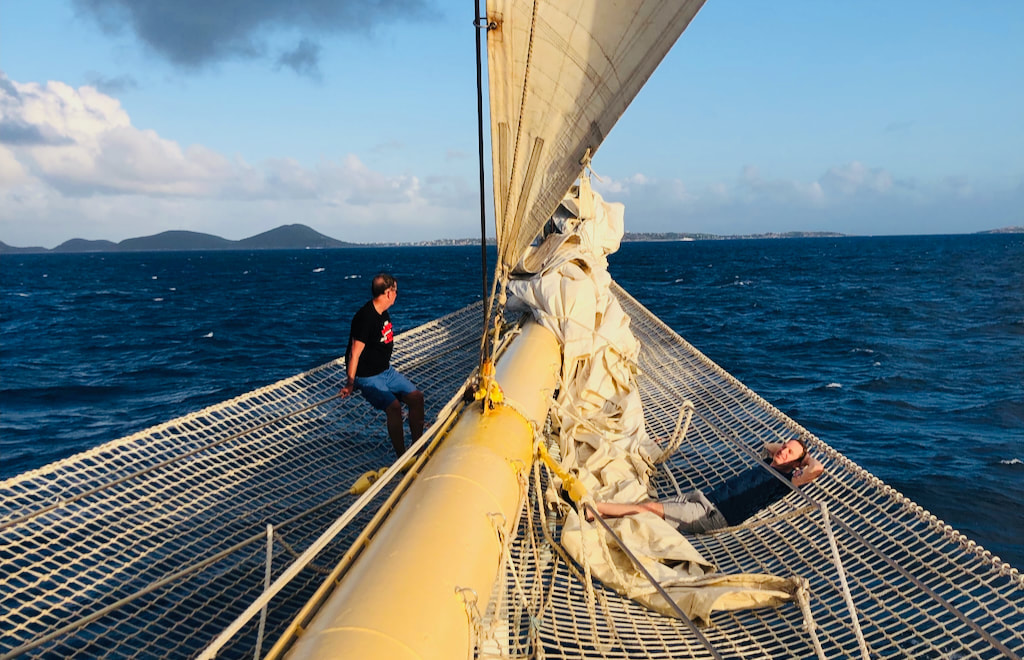 Chilling on the bowsprit, feeling the warm Caribbean breeze. Everything moves a little slower under sail. Although internet is available at the bar, it is pricey and limited. Most passengers agree that screens can wait. Sailing on a tall ship is about reading and resting, conversations and stargazing, staring into the distance, and wondering why it took you so long. When we anchored in St Barts, it was a thrill to find ourselves on the most impressive ship in the harbour, and nobody needed a personal invitation from a billionaire either. Any way the wind blows, it’s reassuring to know we can all find our own swashbuckling sailing adventure. 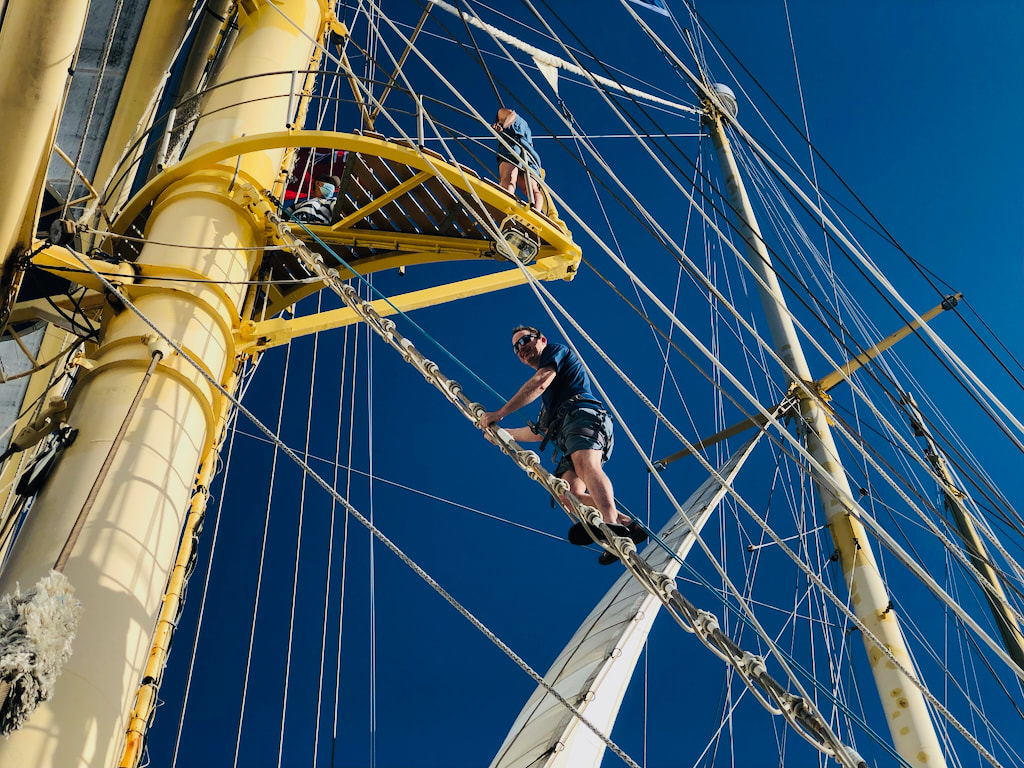 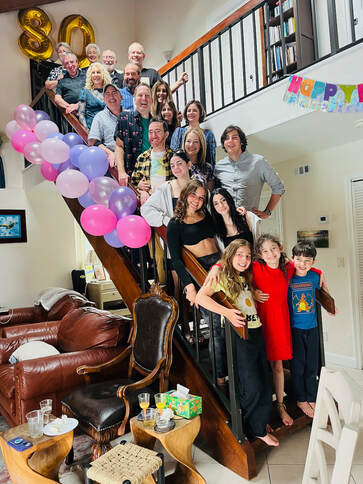 After nearly three decades, a family photo that means everything. After nearly three decades, a family photo that means everything. I’ve long said that people are everything when it comes to great travel. I coined “the people we meet create the paradise we find” back in 2005, spoke about it in my TEDx talk, and continue to believe it now more than ever.
In December, I saw out the year with some memorable adventure: I travelled with my daughter to Costa Rica for a fantastic story about family legacies, and my kids (plus a niece) on a road trip down the Oregon Coast for a story that turned lemons to lemonade, and heavy rain into rugged Pacific storm-watching! I kicked off the new year taking the kids to Orlando – my first foray into the Sunshine State – and then headed to New York for IMM, the premier international travel media marketplace. With a general atmosphere of uncertainty (here’s looking at you, US and Canadian Elections) it’s shaping up to be that kind of year: this feeling of wanting to go everywhere and do everything while there’s still an opportunity to do so. The trip this month I was looking forward to most in January was unusually personal, and it’s all about people, of course. I grew up in a tight family in South Africa, gathering every Friday night for family dinners that included my grandparents, aunt, uncle and cousins. It’s a tradition my own family continues to follow, and my kids thankfully have the same experience in Canada. Like seeds from a dandelion, my extended family scattered about the globe, and we had not been in the same room for a staggering 27 years. In that time, close family members were sadly lost, but we were joined by new spouses, kids and grandkids. Having relocated to Delray Beach, Florida, my aunt now lives with her daughter (my sister-cousin) and grand-daughter, three generations of strong, beautiful women I have missed dearly. With my aunt turning a sprightly 80, the opportunity presented itself for the family to finally gather from three continents for a long overdue reunion that would celebrate the past, and relish the present. After an exhausting schedule in Orlando, my kids and I took the spotless Brightline train to Boca Raton, where the kids would meet their great aunt and extended family members for the first time. My own family flew in from Vancouver, and we rented a house on Air Bnb just a few minutes’ walk from my aunt. Unseasonal (and unreasonably cool) weather be damned, the atmosphere was immaculately joyous. It’s one of the reasons why I encourage everyone to travel into their past, seeking out long lost relatives and newfound family histories. It all becomes a deeply personal layer of discovery that instantly elevates any journey into so much more. I can't say I explored much of Delray Beach – an affluent coastal community – other than a lovely long lunch at a beachfront restaurant and a decent walk alongside strip malls, expensive cars, ocean canals and enormous mansions home to the mega rich. While my own family lives far more modestly, the obvious and ostentatious wealth was unavoidable (I heard Lamborghini made SUV’s, I didn’t expect to see four in a single afternoon!). In truth, we could have been anywhere and it would have hardly mattered. Over a long weekend, my family gathered for every delicious meal, the conversation was effortless, the kids got on famously, and the years simply vanished. All of it a powerful reminder that the very best destinations don’t have to offer much, just the very best people to share it with. Wrapping up 2023, tourism is rebounding faster from the pandemic than most of us predicted. We weren’t’ supposed to see industry numbers like this until 2024 or even 2025, but the world has collectively decided to move on as if Covid never happened, and tourism has reflected this accordingly. Everything has definitely become more expensive, sometimes because of supply-chain issues, sometimes because it’s an opportunity for folks to maximize profits and take advantage of others. This is true for the tourism industry, and true for everything else too. This year I really got stuck into my bi-weekly column for Canadian Geographic, chasing stories that are inspirational, worth knowing, and unique. It’s the cornerstone of my Bucket List brand: exploring destinations and activities that you can’t find anywhere else; are wholly memorable; practically attainable; and will make a great story you’ll want to share for the rest of your days.
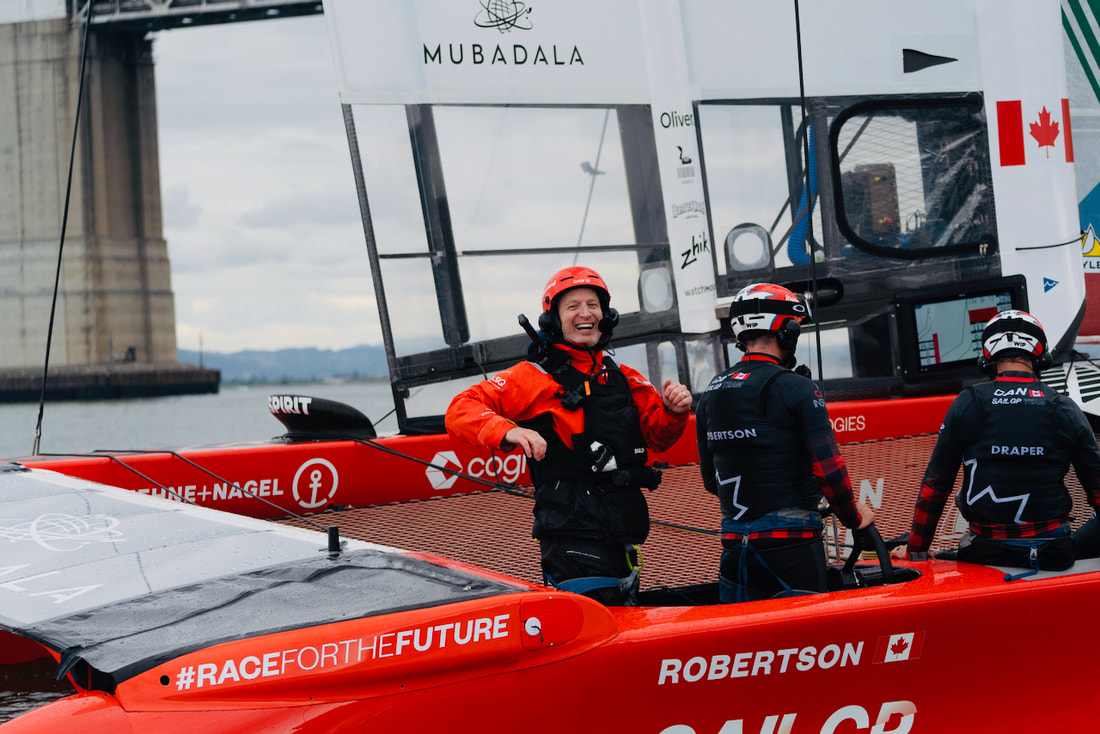
I kicked off 2023 with a New Year’s Eve torchlight descent at Sun Peaks Resort in British Columbia. After many years of snowboarding, I’m now transitioning to skis, and it was a fantastic confidence booster (and a little terrifying) to ski at night. A few weeks later I found myself on BC’s Powder Highway, back on skis in Fernie, Kimberly and at the Panorama Mountain Resort. I explored quirky roadside attractions in New Brunswick, unique statues around the world, high-speed F1 yacht racing in San Francisco, and the origins of craft beer in the Pacific Northwest. Sometimes the story is about people too, like the Syrian refuges in Nova Scotia and their phenomenally successful chocolate business, or Scuba Diving Hall of Famer and cave diving legend Jill Heinerth.
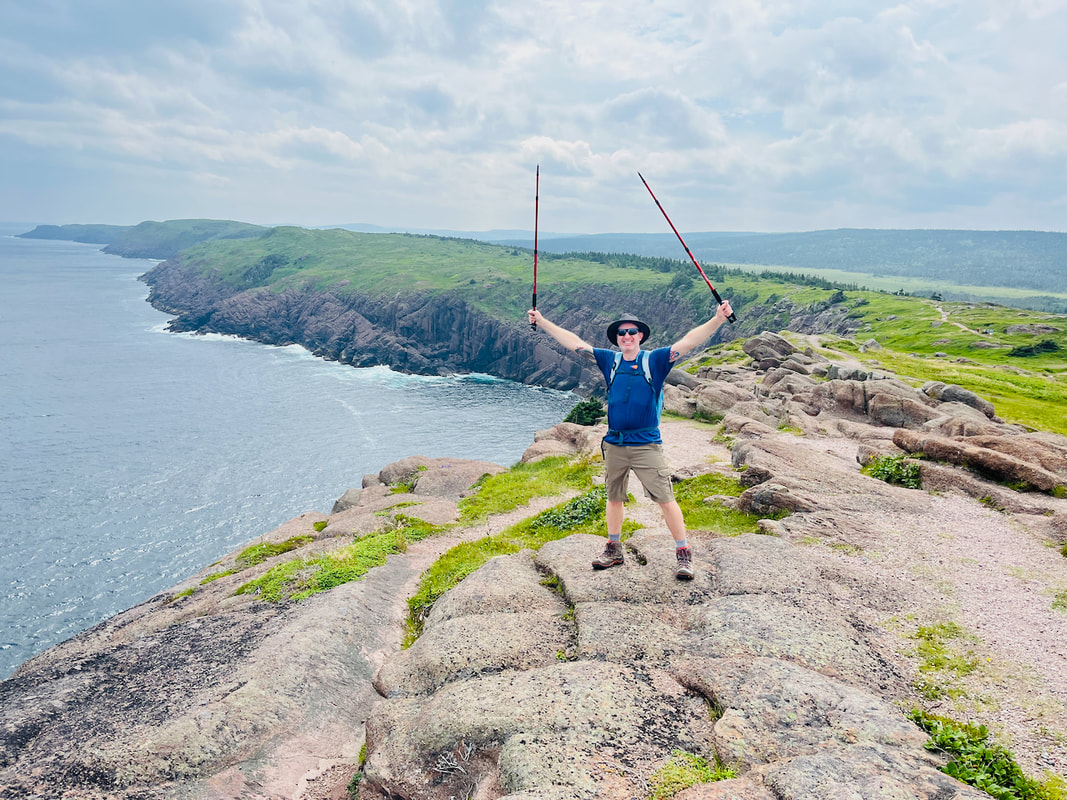
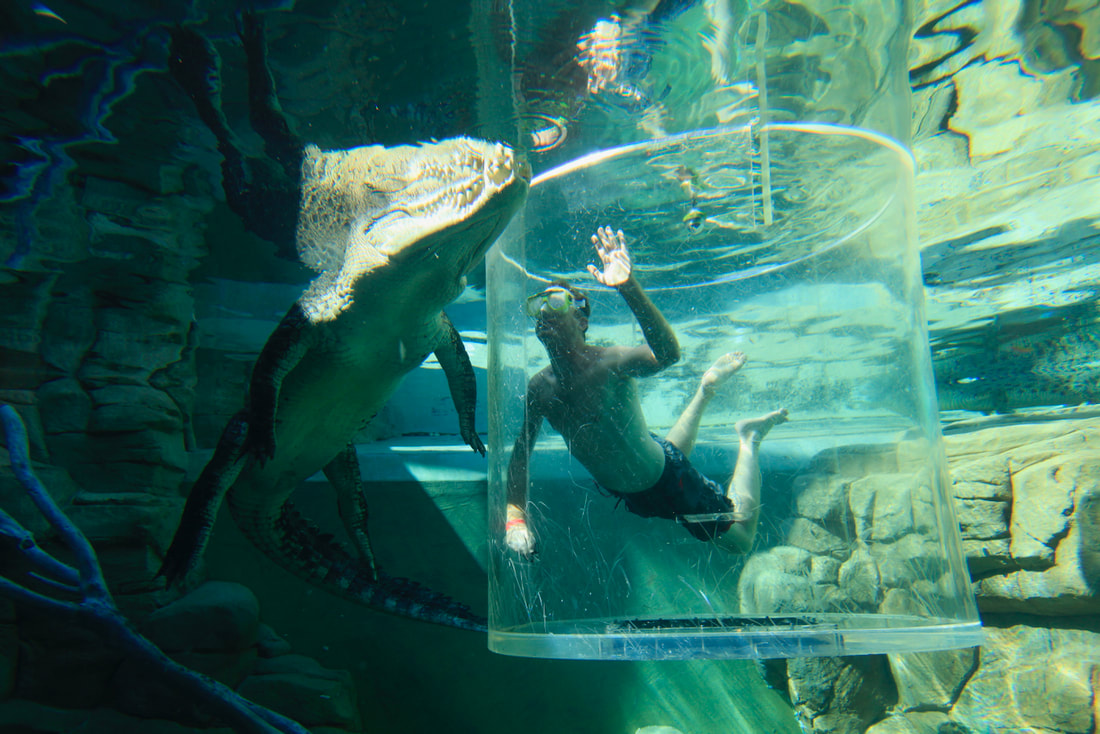
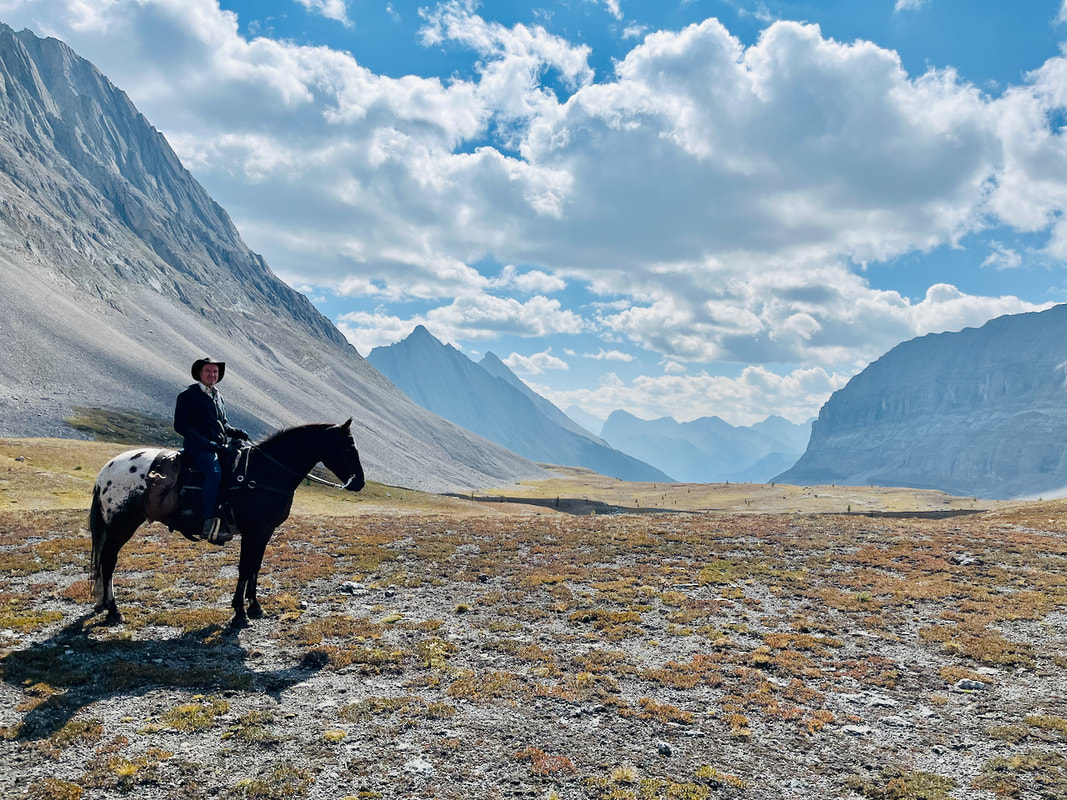
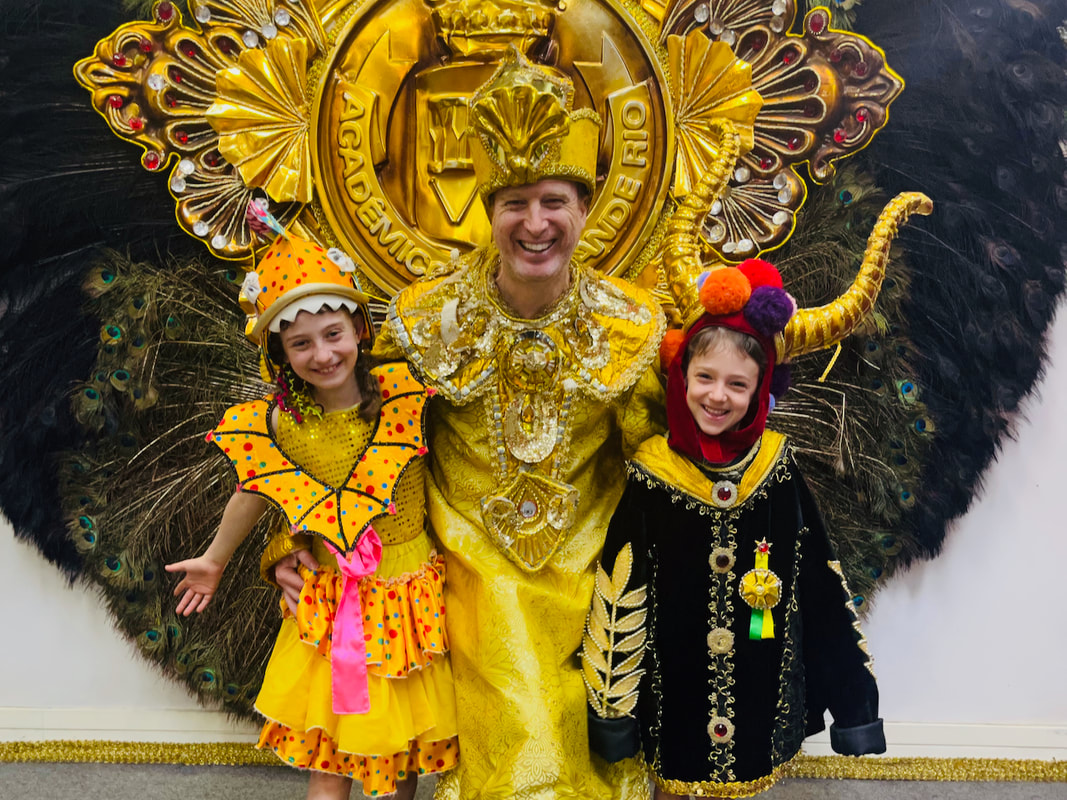
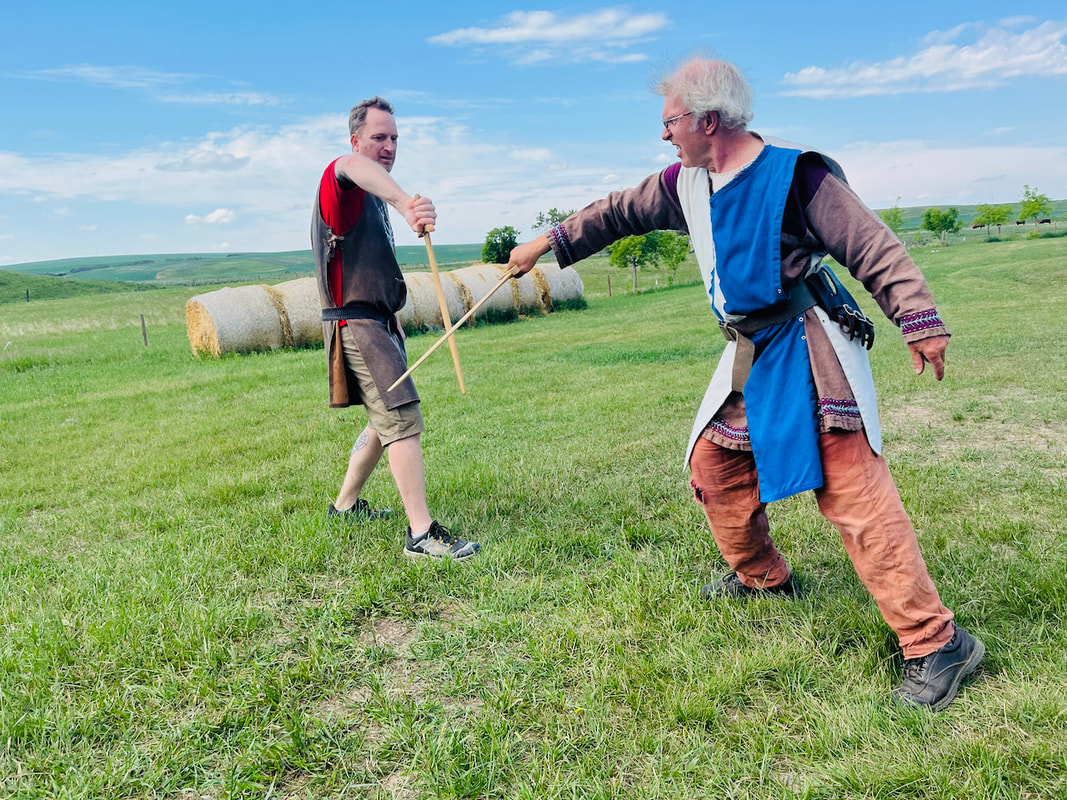
The best travel is about the experiences you share, whether it means taking your kids medieval glamping in Alberta, or a parent on a bucket list hike in Newfoundland. Sometimes family travel lies on a spectrum between beluga whales in the north, the jungle in the south, and iconic theme-parks (I’m proud of this particularly honest review of Disneyland.) I’m always on the lookout for unusual and memorable accommodation, from the world’s most northerly eco-lodge to surviving a night in Quebec City’s ice hotel. As for wildlife, I attempted to cage dive with saltwater crocodiles in Australia, hit the prairies to see the world’s largest concentration of snakes, and looked at places near and far to ethically volunteer with animals. The two back-to-back horse-riding expeditions I took to the Allenby Pass in Banff National Park showcased the Rockies at their finest, and was my inspiring debut as a Can Geo Adventures Travel Ambassador. Learning more about Indigenous experiences across the country shepherded me to prairies campfires and other inspiring locations around the country. Further afield, I researched upcoming stories about the Rio de Janeiro Carnaval in Brazil, a sustainable eco-lodge in Costa, and exploring French Polynesia with a small-ship Wind Star cruise.
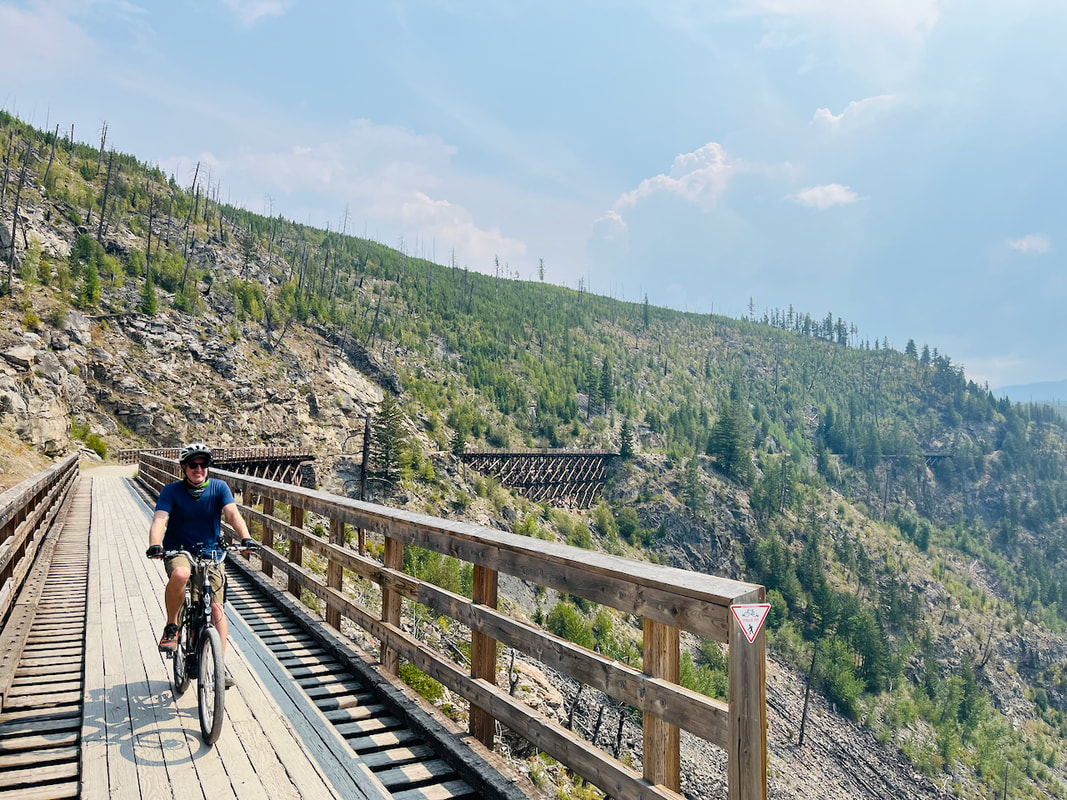
I write a monthly blog for Great Canadian Trails too, where this year you can find stories about mountains, forests, whales and icebergs, cross-country skiing and great Canadian books. I celebrated Yukon for the territory’s 125th anniversary, took a curious look at Prince Edward Island, a ride along the beautiful Kettle Valley Heritage Trail, and explored Canadian wonders that double as international look-a-likes.
 It’s that wonderful time of the year when you start freaking out about what worthy item you can possibly gift for others, or, taking advantage of various sales, gift for yourself. Have no fear, the 2023 Annual Bucket List Gift Guide is Here! As with previous years, I present a range of truly eclectic products that have stood out for their usefulness, cool-factor, deliciousness, and utility both on and off the road. 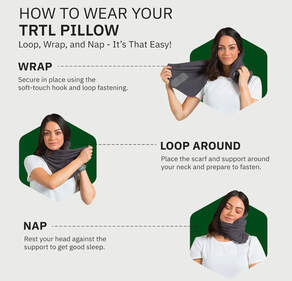 The Innovative Travel Pillow It was only a matter of time before some genius applied science to a singular issue for anyone flying long-haul economy: What do I do with my neck when I doze off? Travel pillows come in various shapes and sizes, but typically follow the C-shape format. And while some are inflatable (and about as reliable as a politician’s promise) and some are memory foam (and as convenient to carry as a guilty conscious), at last we have a different approach. The TRTL Pillow wraps around your neck like a scarf, a scarf with an internal support system for “optimal” neck and head support. Unfortunately, nothing is optimal when you fly long-haul economy. While the TRTL Pillow is pricey and takes some getting used to, catching much-needed zzzzs is worth every penny. The TRTL Neck Pillow Buy on Amazon 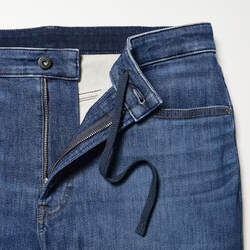 The Sweat Pant Jeans During the hey-day of the pandemic – peak masked-up and locked down 2020 – I remember thinking: if someone invents jeans that look like sweat pants, they’ll make a fortune. Well, the Japanese did, and I’ve been wearing UNIQLO EZY Extra Stretch Jeans ever since. Available in four colours, with an elastic waist and a draw string, they look like real denims except they stealthily have the soft feel of sweats. Smart and casual enough to wear out, frumpy enough to wear while you binge watch Foundation (my underrated series of the year) on the couch, jean sweats are perfect for your everyday slacker ninja. UNIQLO EZY Extra Stretch Jeans 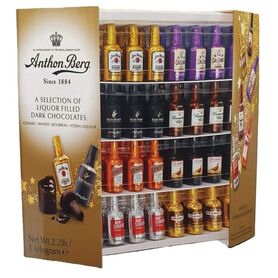 The Boozy Chocolates Maybe it’s the nostalgia of tasting liqueur in chocolates as a kid (it was the 1970s, and there’s not that much liqueur) but this beautifully packaged display of bottle chocs has become our personal dinner party favourite. High quality dark chocolate just works with when matched with whiskey, vodka, cognac, rum and other treats, and it’s not the plonk either. Danish-based Anthon Berg works with brands like Remy Martin, Contreau, Drambui, Mount Gay, Canadian Club, Famous Grouse and Sobieski. Pick your bottle carefully from the stylish choco-bar, unwrap, hold the neck and bite into the goodness. We found a great deal at Costco but they’re also well-priced on Amazon too. As for kids slurping back chocolate bottles filled with rum, I turned out alright. Sometimes. Anthon Berg Chocolate Liqueurs Buy on Amazon  The Drink-From-Anything Water Bottle Last year I featured the Life Straw as a lifesaving little gadget that allows you to safely drink from any river, lake or stream. This is especially handy if you’re on a hike and need water, or if the zombies attack and the taps stop flowing. The Life Straw does however require some serious suction, which is why the Life Straw Go Series is a gamechanger, making the entire water-cleansing process a lot easier. Simply full up your BPA-free bottle with water, and the membrane filter will remove 99.9% of all bacteria, parasites, microplastics, dirt and sand. It also reduces chlorine and odours, improving the taste. Each filter can get through 4000 litres of water (about 5 years of daily use). It’s a no-brainer for anyone going to any country or destination where you can’t trust the water. Life Straw Go Series Buy on Amazon 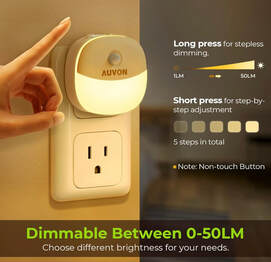 The Night Lights That Actually Work They say you get what you pay for, except for nightlights, which don’t seem to work no matter how much you pay. Too bright, not bright enough, to white, too orange, too motion sensitive, not motion sensitive enough. I’m too sensitive myself, having gone through a half dozen of these damn things in my attempt to avoid walking into a wall when my kid starts screaming in the middle of the night because of his latest Huggie Wuggie nightmare. Here at last are some nightlights that are fully customizable for brightness and sensitivity. They also have fireproof casing, a feature I truly hope I never have to appreciate. UVON Plug in Night Light Buy on Amazon 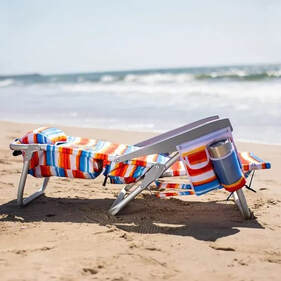 The Backpack Beach Chair When did it become mandatory to require a wagon in order carry all the crap you need for the beach? The chairs and blankets, the shade tent, the beach toys, the food, the kids? The Tommy Bahama Backpack Chair is how I’m doing it from now on. Just a chair. On my back. A chair that has pockets for my phone and my ice-cold pilsner. A chair with a neck rest. A chair that is not a wagon. I’m done with wagons. The kids can carry their own lightweight chair too. Tommy Bahama Backpack Chair Buy on Amazon 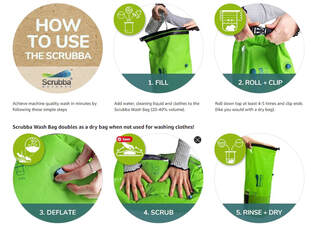 The Scrubba Wash Bag Since we’re all doing our best to travel lightly with only carry-on luggage, consider this washboard in a bag. A cleverly adapted lightweight bag essentially becomes a washing machine, allowing you to easily and conveniently and effectively handwash your clothing in under a minute. The 13-liter Scrubba can clean two shirts, underwear and socks in a wash: just add water, some liquid detergent, massage your clothes, remove, wring and hang up to dry. Particularly handy if you’re hiking, camping, backpacking, or trying to go far with little. The Scrubba Wash Bag Buy on Amazon  The Toilet Ottoman The Disco Toilet Light I truly give a crap about your toilet experience. So much so that I give bidets as wedding presents. A bidet will seriously change your life. Trust me, it just will. That was my choice recommendation two years ago. I was going to suggest a toilet ottoman in this year’s Bucket List Gift Guide (which straightens your colon and aligns your pooper to conduct a healthier, more efficient business), but then I came across a Disco Toilet Light. Exposing your posterior to a regular blast of disco lights has been proven by absolutely nobody to be beneficial to your health. But it is fun. First get a bidet, then a toilet ottoman, then a disco motion sensor toilet light. Throw your bowels a party, and thank me later. Toilet Ottomans Toilet Disco Lights  The Muscle Massage Gun Percussion guns (which is a great name for a band) became all the rage a couple years ago, and I’ve been testing them for 12 months to assess whether they are in fact a) a fad b) a poorly disguised sex toy c) a deeply beneficial therapeutic tool or d) a weapon of mass destruction. With a little imagination, it’s all of those things, but these muscle massage guns work, and they work well. Pop on a head (I usually use the ball, the bullet is for massaging Superman) and awkwardly point the gun on my offending muscle tissue. Better yet, find a partner or kid to work while you lie down skating the line between pain and bliss. These guns pack juice, and the long-lasting battery has a decent charge. Having tried several massage guns on the market, I recommend the Renpho Percussion Massager. Amazon is always having big sales with these things so look out for discounts. RENPHO Active Muscle Massage Gun Buy on Amazon 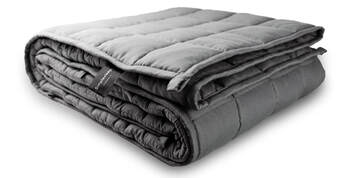 The Weighted Blanket
When I slept over at grandmas, she had green blankets that were as heavy as a sack of potatoes. It made me feel warm and safe, and I used to sleep like a sack of potatoes too. Too many decades later, weighted blankets help millions of kids and adults sleep better by reducing stress and anxiety. Weighted with glass beads, ball bearings or plastic, sleep scientists say the equal distribution of weight relaxes the parasympathetic nervous system in preparation for sleep. I don’t know what that means, I just know you’ll sleep better, on the bed or on the couch. While there are a wide range of brands out there (spanning a wider range of quality and price), Toronto-based Simple Sleep offer quality weighted blankets with fantastic value. https://simplesleep.ca/ 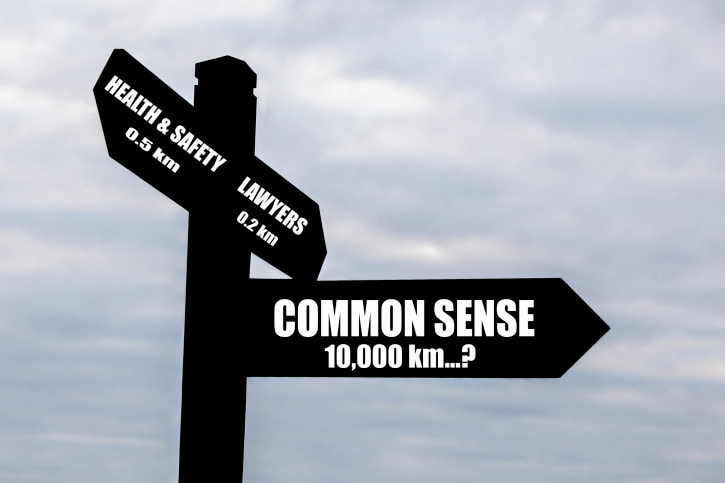 When it comes to staying safe on the road, everyone always talks about common sense, as if it's a force field that will protect you and keep the zombies at bay. What exactly are they talking about? Well, since you're asking: Don’t Flash Your Wealth In nature, predators hunt the easiest targets, the lowest hanging fruit. Those who target tourists do the same. If they see you walking around with expensive jewelry and cameras, or thumbing through rolls of cash, you become the easy mark. This is especially true in developing countries, where signs of wealth are displayed less flagrantly. Leave your $10,000 wedding rings at home or in the hotel safe. Keep your camera in its bag unless you feel safe in the environment. Draw as little attention to yourself, and try to blend in. It’s the simplest and easiest way to avoid the unwelcome attention of predators. Don’t Go Where You Shouldn’t It sounds so simple, and yet it’s amazing how often this is the cause of unfortunate incidents. Every city has places you should avoid. If you don’t know what they are, just ask a local who will gladly tell you. Meanwhile, if it’s avalanche season and you’re advised not to go venturing into the backcountry, heed the warnings. Official government alerts are often over the top, but do some research before you dismiss them outright, and unknowingly find yourself in a conflict zone. If you are visiting a hot spot, make sure you’re in regular contact with friends, and let a government office know. A little bit of knowledge goes a long way when it comes to ensuring you’re not in the wrong place, at the wrong time. Trust your gut Our intuition has always been there, we’ve just forgotten how to hear it clearly. When you’re travelling though, it can yell a little louder than normal. You’ll hear it telling you: Don’t eat that chicken, it looks undercooked! Don’t walk down that street, it looks too dark? This taxi is taking too long, I’m being ripped off! Common sense means knowing when to trust that little voice in your head, and dismissing it when it’s being too paranoid. It takes practice, but many of the unfortunate stories we hear in the news could have been avoided if people just listened to their gut. Your intuition is a crucial tool for staying safe. Know where you’re staying Carry a card with the name, phone number and address of the place you are staying, especially in countries where you don’t speak or understand the local language. I’ve learned this lesson the hard way, wandering about for hours before I could remember the unpronounceable name of the hotel I was staying at, located on an unpronounceable street in an unpronounceable district. Most hotels have business cards at reception, so make sure you grab one. If you’re staying with friends, ask them to write down their address to show a taxi driver. The rules of common sense are common for a reason: because they are so simple. Don’t be Afraid to Ask for Help Having traveled to over 100 countries, I firmly believe people would rather help you than hurt you. If you’re in a situation, don’t be afraid to ask for help. If you’re in public and feel threatened, raise your voice, scream, make a commotion so that people know they should come to your aid. If you’re feeling sick, tell someone so they can get you to a doctor or pharmacy. If you can’t speak the language, use gestures. You’ll be surprised just how hospitable locals can be, and how much pride they take in making sure guests in their country are safe and happy. So much so that you’ll want to ask for directions repeatedly, since some locals would rather give you the wrong directions than tell you they don’t know the answer. When it comes to your safety, you get what you pay for In La Paz Bolivia, a very popular activity is to bike downhill a 67km road from the mountains into the jungle. A New Zealander who put safety first created it, but once it became a must-do activity for tourists, competitors popped by the dozen with other priorities in mind. They offer a cheaper price, but on cheaper bikes, without maintenance records. Subsequently over 15 tourists have died. The original company has had zero fatalities. Saving a few bucks is simply not worth your life when it comes to choosing between competing services. This is especially true for adventure outfitters, but also for transportation companies. Is the company reputable? Do they look and feel professional? Accidents still may happen, but cutting corners too often might lead to you flying off an edge. Keep Online Backups of Your Passport, Details and Documents If you lose everything, and I mean everything, make sure you have backups online. Send your webmail a protected Word doc containing your passport, insurance, banking information and passwords, addresses and contacts. Email yourself scanned copies of your passport and drivers license. Once you have all that information, you can begin the painful, yet necessary task of alerting all the relevant authorities about the theft or loss. But at least you’ll know who to call for help, and what information they’ll need to help you. Make sure, most importantly, you don’t forget your password to access this information online. It’s also a good idea not to keep all your valuables together. Just in case, when I travel I keep a back-up credit card stored in a different location. Watch our for Common Scams Read up on some of the most common scams so you’ll know what they are and how to avoid them. Fortunately, I’ve compiled a handy list for you right here. Crowded tourist attractions or markets are popular with pick pockets, so make sure your wallet is safely zipped up, and be vigilant about checking it’s still there. Carry your bags securely and be aware of your surroundings. Never, ever leave your luggage or bags unattended, especially in train or bus stations. Be friendly but weary of random people who approach you on the street. Act Like You Belong Scammers and thieves look for tourists displaying obvious signs of wealth, and also those who look nervous and uncomfortable. They might just say hello, but how you answer the question will determine whether you’re an easy mark. The key is to look relaxed and in control, no matter how freaked out and nervous you actually feel. Smile, make eye contact, be assertive but not aggressive. The goal is make it look like you’re too much work to bother with. I once found myself on the wrong bus and had to walk my way out of a South American slum. Inside I was panicking, but I kept my cool by strolling in the streets, smiling, looking like an out of place gringo who nevertheless knew where he was going. Locals are always more willing to help someone who’s behaving rationally than someone in a panic. Always Carry Insurance, and Avoid Confrontation
Travel insurance is absolutely essential. A few dollars save your butt, and the peace of mind is priceless. Shop around, and read the policy to know what you’re covered for, and what’s excluded in the fine print. Insurance is there for a reason. Never, EVER confront someone threatening violence. It might be brave, but no watch, wallet or cash is worth getting hurt or killed. Remember that the vast majority of people travelling never experience any problems, but sometimes shit happens. Keep a clear head. Call the police to get a case number. Cancel your cards and find out about getting new ones. Contact your insurance company as soon as possible to file a claim. Resist the temptation to tarnish an entire country because of one unfortunate situation. You’ll be amazed at how people will come to your aid when you really need them. But with a little common sense, the chances are astronomically in your favour that you’ll be just fine. 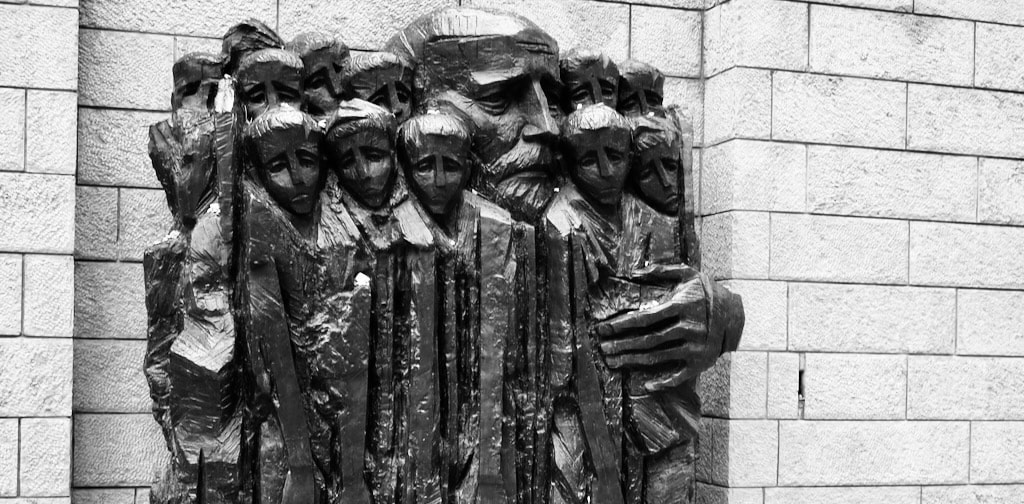 As heartbreaking images and stories are being shared by friends of and in Israel, I am compelled to say something, in particular to my non-Jewish friends. In particular to those who don’t know too much about the history of the region.
People in Gaza desperately needed a Nelson Mandela. Someone who believed in a future, someone who was incorruptible. They initially voted for and have since been autocratically ruled by Hamas, an organization with an extreme ideology and official mandate to "obliterate Israel." Nelson Mandela didn't have to deal with religious fanatics, but still. Israel is the only Middle Eastern country that supports free press, freedom of religion, the right to protest, LGBTQ+, full political representation for its Jewish and Arab citizens, and other rights familiar to those who live in a western democracy. That seems to get lost on a lot of people. LGBTQ protests in support of Palestine is like watching chickens marching for KFC. Israel also has its own share of corrupt politicians and religious extremists, and it is far from perfect. But name another democratic country that has been at war since its inception, subject to suicide bombings and indiscriminate missile attacks. Name another democratic country repeatedly demonized, de-legitimized and condemned by double-standards in the UN. Name another democratic country with genocide hanging over its head, in the past, and in the future. There isn't one, and if there was, it wouldn't be perfect either. Most of Israel's diverse population are descendants of victims from another mandate that called for genocide. Jews the world over have learned, to our horror, that attacks on our people and homes are not isolated incidents. We know where it can lead, and we know that all racism is cut from the same fabric. There is simply no excuse for the Hamas attack. Blaming Israel in any way is victim-shaming at best, antisemitic at worst. Innocent people in Israel did not 'deserve' this anymore than a victim of rape or violent crime 'deserves' it. On that topic, it's worth pointing out that the popularity of the BDS/anti-Zionism movement is rooted in antisemitism (and if you follow the money largely funded by Iran). Student groups are oddly quiet about Iran, you know, that country that massacres its citizens at protests and beats women to death for not following Sharia Law. Venom appears strictly reserved for those damn free-thinking Israelis and their progressive trance music. Zionism, you should know, refers to the right of all Jews to have a homeland they can be safe in. Condemning Zionism does not condemn Israeli leadership (who many Jews disagree with). It condemns all Jews, everywhere. Iran and Hamas are proudly and rabidly anti-Zionist. They don’t fight for a new Jewish leadership that will commit and compromise for a peaceful resolution. They fight so that there will be no Jews. Period. Meanwhile, calling Israel an Apartheid state is insulting to all South Africans. I know, I am one, and lived through it. It's even more insulting to people of colour who suffered during Apartheid. Why? Consider: Arabs in Israels can vote, run political parties, own businesses, sit on the Supreme Court, work across all industries, marry whomever they want, and travel freely throughout the country. Arabs in Gaza who are vocally committed to Israel’s destruction face restrictions, because, I repeat, they are vocally committed to Israel’s destruction. Did you forget the suicide bombers that killed children, women and elderly on buses in Tel Aviv? Do you see what happens what happens if Israel doesn't take security seriously? Even so, Israeli businesses offer gainful employment, non-discrimination, and hope to both Jews and Arabs. To those who disagree with me, I invite you to actually visit Israel, and to speak to Israeli Arabs. Ask them if they feel like second-class citizens. Then read up about the horrors of Apartheid, and while you’re at it, who funds and promotes the BDS movement. Then ask yourself: can people who are indigenous to a land actually colonize it? Jews have been living in this region for thousands of years, they didn’t just arrive on boats from Europe and say, “we’ll take it!” It’s hip to follow a campus cause, I get it. It’s not hip to be an uninformed bigot. BDS would very much like you to boycott all Israeli products, including Sodastream, an Israeli company. Have you looked at a Soda Stream box? It says: “Made in Israel: This product was made by Arabs and Jews working side by side in peaceful harmony.” Those protesting a cause they know nothing about would rather this not be the case. They would rather Israeli businesses that employ Arabs and Palestinians shutter and lay everyone off. Their misguided intentions would be ironic if it weren't so devastating. I understand it’s fashionable to have a cause, although every single crime Israel has been accused of has also taken place in countries like China, Pakistan, the United States, Canada, Australia and many others. Why go after Israel and only Israel? Might it have something to do with, you know, the Jews? It is also important to stress that innocent people in Gaza do not deserve this either. They want to live in peace and watch their children succeed like the rest of us. Yet what are we to make of Israeli corpses being dragged through the streets of Gaza, of Palestinians and those sympathetic to their cause celebrating this massacre around the world? Can you imagine Israel using its women and children as human shields? Can you imagine the Israeli Army raping and massacring young women at a Palestinian Peace Festival? There is no moral equivalence between a brutal, authoritarian death cult and a democratic society. Hamas not only kicked a tiger, they poked its eyes out and killed and kidnapped its babies. Israel’s response has been brutal, as a tiger’s response would be brutal. As for Hamas leaders, they fully anticipated this, and are hunkered down safely while their people suffer the consequences. Every time you see a sign or graffiti that reads “Free Palestine” please add just two words: “From Hamas.” Sam Harris is perhaps the smartest, most reasonable thinker out there. In this excellent treatise about the sin of moral equivalence in this conflict, Harris writes: “Simply the counting the number of dead bodies is not a way of judging the moral balance here. Intentions matter. It matters what kind of world people are attempting to build. If Israel wanted to perpetrate a genocide of the Palestinians, it could do that easily, tomorrow. But that isn’t what it wants. And the truth is the Jews of Israel would live in peace with their neighbours if their neighbours weren’t in thrall to genocidal fanatics” By taking hostages, hiding militants in hospitals and using children as human shields, Hamas - supported by a brutal regime in Iran deeply threatened by an Israel-Saudi Arabia peace deal - has once again relegated the people of Gaza to cannon fodder. Hamas has long profited off violence and misery. Iran relishes the chaos. War and human tragedy is inevitable. They kick the tiger, the tiger lashes out, they condemn the tiger, then kick it again. The cycle has to stop. If there is any silver lining to the current tragedy in Israel and Gaza, it is that a new leadership might emerge to clear the debris and aspire to a lasting peace. That, inshallah, the people of Gaza will finally resist and oppose the horrors of their Hamas leaders, and that Israelis will clear out their own broken leadership and galvanize around a secure, peace-committed future. Even then, it only takes one deranged religious lunatic on either side to derail everything. Yet thanks to Nelson Mandela (and his largely forgotten and overlooked counterpart, FW de Klerk) South Africa was able to somehow forge a lasting peace. Where is the Palestinian Nelson Mandela? When is the Israeli FW de Klerk? We could really use them when all this is over. To my Jewish, non-Jewish and Muslim friends, please know: I mourn the suffering on all sides. I welcome debate. I feel your pain, anger, frustration and exhaustion. Inshallah and baruch hashem, we will one day get the leadership - and the peace - we so desperately strive for. Ps: If you want to read a balanced book that is sympathetic to both Israelis and Palestinians as it explains the history of the conflict, I highly recommend Israel: A Simple Guide to the Most Misunderstood Country on Earth by Noa Tishby. Almost a decade ago, I came up with an idea to profile veteran concierges at hotels so that guests could get to know who they are and what they do. The plan was to make short, engaging videos which the hotel could use online or on their in-room video channels. We filmed a demo with my friend (and part-time Word Travels production team-member) Neil Maclean, who epitomized the concierge role at the Fairmont Hotel Vancouver. I pitched a few hotel chains, all of whom passed because every star in the universe did not align and that is what it takes to bring any great idea to fruition. I uploaded the video to Youtube, and noticed this week that it has now garnered over 175,000 views. That's pretty impressive for our little video - shot and edited by Ian Mackenzie. Below is the video, along with a short interview with Neil about what he does, and why guests should stop by the concierge desk more often. Our primary role is to make life easier for our guests. This could mean anything from making dinner reservations, suggesting tourist activities, helping with directions, ordering flowers, and helping to resolve any guest issues.
You could argue we’re obsolete, but we have insider information you simply can’t get on your smart phone. The perception is that the concierge can get sketchy things, like drugs and prostitutes. Fortunately, this is not the case. In all my years I’ve never been asked to get anything illegal. I think the movies have given people the wrong idea. The role of the concierge is to give, give, give. It’s a contrast to the front desk, which can take, take, take. We’re a free service. Where else will you find a free expert on the city? Concierges used to be arrogant and stuffy, like overbearing maître d’s. The modern concierge is approachable, patient, loves their city, and knows how to listen. There are some services many people don’t know we can provide: We can change your flights, so you don’t have to spend an hour on the phone. We have relationships with airlines and operators, and usually get special treatment. We can help track lost luggage, or even deliver flowers to your room. We aim to exceed guest expectations, because we really enjoy what we do. I have heard horror stories of concierges being verbally abused, or being asked to find drugs and what not. But it’s way more rare than people think. Fortunately I like my job, colleagues, and this grand, old hotel. There’s no protocol for tipping concierges. We’re not servers or bellmen. We do get paid more than those guys, but tips are always appreciated. My most popular question is: “Where is the bathroom?” My most outrageous request: A guest was looking for moose antlers, so I found myself calling taxidermists around the city. Every day I meet people from around the world, and sometimes celebrities too. Over the years I’ve helped out Robin Williams, Buzz Aldrin, Michael Phelps and Cindy Crawford, who used to hang out at the concierge desk and chit-chat. So many people wanted photos of her I told her she should do it professionally. We once arranged a private screening for Jerry Seinfeld, and a belt for Bill Clinton. A few weeks later we received a personalized thank you letter with the presidential stamp. The reality is that we would treat all our guests the same way. |
Greetings.
Please come in. Mahalo for removing your shoes. After many years running a behemoth of a blog called Modern Gonzo, I've decided to a: publish a book or eight, and b: make my stories more digestible, relevant, and deserving of your battered attention. Here you will find some of my adventures to over 100 countries, travel tips and advice, rantings, ravings, commentary, observations and ongoing adventures. Previously...
July 2024
Categories
All
|
 RSS Feed